Homeowners in Lexington hear “hire an ISA Certified Arborist” all the time, but few people are shown what that actually means for safety, liability, and long‑term tree health on their own property. When you understand how the International Society of Arboriculture (ISA) and modern tree care standards work, you can choose a tree service that protects both your landscape and your investment here in Central Kentucky.
What Is the International Society of Arboriculture (ISA)?
The International Society of Arboriculture is a leading professional organization for tree care specialists worldwide, setting standards for training, ethics, and safety in arboriculture, the science and practice of caring for trees. ISA offers credentials such as ISA Certified Arborist, which require arborists to pass an exam and complete ongoing education to keep their certification. For Lexington property owners, that means an ISA‑trained professional brings proven knowledge of tree biology, pruning, safety, and risk assessment to every job on your property.
ISA also maintains a Code of Ethics that certified arborists must sign, requiring them to deliver safe and competent services, recognize their professional limits, and protect public health and safety in their work. When you invite a crew onto your property near streets, parking lots, or play areas, this ethical framework helps ensure decisions are based on safety and sound judgment—not on shortcuts.
To see how ISA defines these duties, you can review their official Code of Ethics online.
Industry Standards That Matter in Central Kentucky
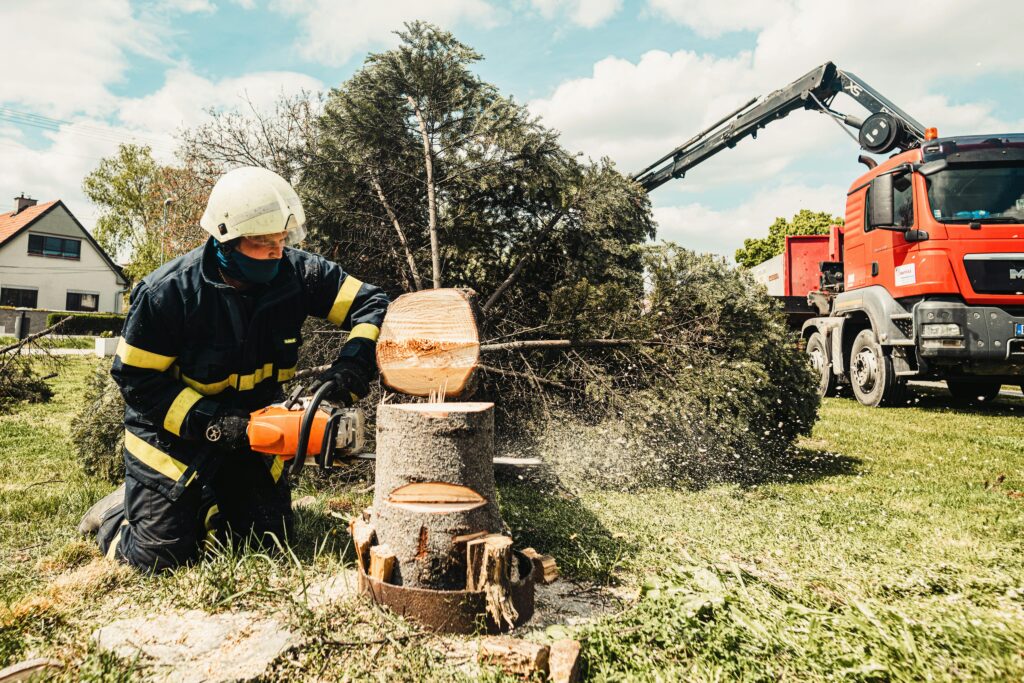
Modern tree care is guided by national standards that unify best practices across the United States. The ANSI A300 tree care standards outline how professionals should prune, support, and manage trees, and they form the backbone of written specifications used by arborists and urban foresters. When a company says it trims or removes trees “to industry standards,” ANSI A300 is usually what they mean.
Safety on the job is governed by ANSI Z133, which covers working near power lines and the safe use of chainsaws, ropes, and aerial lifts. Many HOA and commercial policies require tree work to follow ANSI Z133 and ANSI A300 to limit liability from falling branches, equipment accidents, or improper removals. For Lexington homeowners and property managers, hiring a tree service that follows these standards is one of the simplest ways to reduce risk during large removals or storm‑damaged tree cleanup.
If you want more detail on these guidelines, an article on introducing the updated ANSI A300 standards explains how they were consolidated and why they are considered the cornerstone of the tree care industry.
How ISA‑Guided Tree Care Helps Lexington Property Owners
Lexington’s Urban Forestry program advises organizations on tree care, preservation, planting, removal, and replacement in parks, along streets, and in other public spaces. The city also invested in an urban tree canopy assessment, which found roughly 23 percent canopy cover and significant planting potential, showing how important both public and private trees are to local resilience. Those efforts make it even more important for private properties to manage trees responsibly so they support, rather than undermine, the broader urban forest.
For homeowners, ISA‑based maintenance focuses on structural pruning, mulching, and monitoring for pests to keep trees healthier and safer over time. Research‑driven guidance from forestry and extension programs shows that regular pruning, root protection, and supplemental watering during drought can improve tree longevity and reduce long‑term management costs. When your tree service uses these practices, you are less likely to face surprise removals, emergency failures, or preventable damage to roofs, fences, and vehicles.
Larger properties, apartments, and HOAs benefit from ISA‑informed management plans that prioritize risk reduction, budget planning, and a consistent appearance. By tying scheduled pruning and inspections to industry standards, property managers can show boards and insurers that they have exercised due diligence in caring for trees near people and structures.
If you want to see how Lexington frames its own tree‑related work, the city’s urban forestry page outlines local programs and policies.
Local Rules and Tree Removal in Lexington, KY
In Lexington, residential property owners who are not in a historic district generally may remove dead, diseased, or infested trees on private property without a permit. If your property falls within a historic district overlay, a permit and approval from both the Office of Historic Preservation and the city’s Urban Forester are required before removing a tree or making major changes. That makes it important to verify your property’s status before scheduling removal, especially for prominent front‑yard trees.
Lexington’s ordinances also treat neglected vegetation as a potential public nuisance when it blocks sidewalks, interferes with vehicle traffic, traps debris, or creates fire and safety risks. The code requires minimum clearances for branches over sidewalks and streets, and failure to maintain that clearance can lead to required pruning or removal. A qualified arborist who understands both ISA standards and local rules can prune trees to meet these clearance requirements while still preserving structure and health.
For public areas, the Lexington Tree Board and the city’s Urban Forestry division help guide planting, preservation, and removal decisions in parks, along streets, and in shared spaces. When commercial properties or institutions coordinate with these city programs and rely on ISA‑trained arborists, they help keep Lexington’s urban canopy safer, more resilient, and more attractive.
If you need specifics on when permits might apply or who oversees local trees, a Lexington tree ordinance summary for private property explains the main rules in plain language.
Schedule ISA‑Standard Tree Care with Central KY Tree Service
When you understand how ISA standards, ANSI guidelines, and Lexington’s urban forestry priorities fit together, it becomes much easier to choose a tree service you can trust on your property. Central KY Tree Service in Lexington, KY offers professional tree trimming, removal, and storm cleanup with a focus on safety, health, and respect for the local landscape, serving homeowners, property managers, and larger sites throughout Central Kentucky.
Whether you need a hazardous tree removed near your home, regular maintenance for an apartment community, or large‑scale work on a farm or investment property, you can request a local, no‑obligation quote at this online estimate page.