
Lexington, Kentucky sits within a region where climate and urban growth continuously shape the health of its tree populations. The University of Kentucky’s main campus represents one of the most concentrated and well-documented examples of urban forest management in the Bluegrass State — and the lessons from that canopy apply directly to homeowners and property managers across the city.
What Is an Urban Canopy and Why Does It Matter in Lexington?
An urban canopy refers to the layer of tree branches, leaves, and stems that cover a city when viewed from above. Measured as a percentage of total land area, canopy cover serves as a key indicator of environmental quality in any municipality.
Lexington’s urban canopy faces pressure from both development and climate patterns. Kentucky’s humid continental climate — characterized by hot summers, moderate winters, and significant precipitation — creates ideal conditions for many tree species but also accelerates stress factors like fungal disease and pest proliferation. According to the EPA’s research on urban trees, urban trees provide measurable benefits including stormwater interception, energy cost reduction, and improved air quality — benefits that apply equally to private residential properties as they do to institutional campuses.
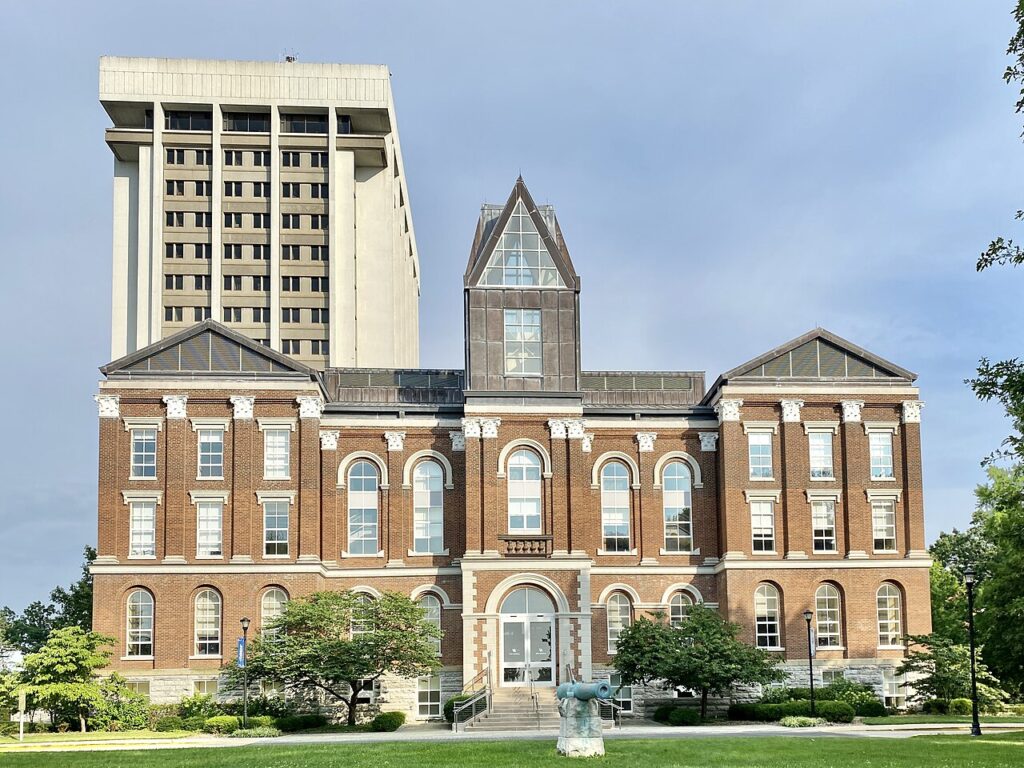

The University of Kentucky Campus Canopy: An Overview
The UK campus spans approximately 814 acres in central Lexington and contains a diverse collection of native and non-native tree species. The UK’s campus arboretum — formally designated as the State Botanical Garden of Kentucky — reflects a formal commitment to tree preservation, documentation, and public education.
The campus features notable concentrations of oak, maple, elm, and Kentucky coffeetree (Gymnocladus dioicus), a state-significant native species. Tree species diversity is one of the most effective strategies against catastrophic canopy loss, since monocultures are highly vulnerable to single pathogens or pest species. Campus arborists conduct regular assessments of structural integrity, disease presence, and root zone health — the same criteria directly relevant to homeowners evaluating trees on their own lots.
How Campus Tree Management Informs Best Practices for Lexington Homeowners
The University of Kentucky’s approach to campus tree care reflects the standards established by the International Society of Arboriculture (ISA), the primary credentialing and standards body for the tree care industry. ISA-certified arborists are trained to evaluate:
- Structural defects such as co-dominant stems (two or more trunks competing for dominance, creating weak attachment points), included bark, and decay columns
- Root zone conditions including soil compaction and grade changes
- Crown health indicators like dieback, chlorosis (yellowing of leaves caused by nutrient deficiency or stress), and epicormic growth (shoots sprouting from dormant buds on the trunk or branches, often signaling stress)
- Risk assessment ratings based on likelihood of failure and potential targets
These criteria apply equally to mature trees on residential properties throughout Lexington. A sugar maple in the Chevy Chase neighborhood faces the same structural concerns as one growing on campus — the institutional context simply makes documentation more systematic. Homeowners planning major tree work should consult Lexington’s urban forestry office before proceeding to understand local permit requirements.
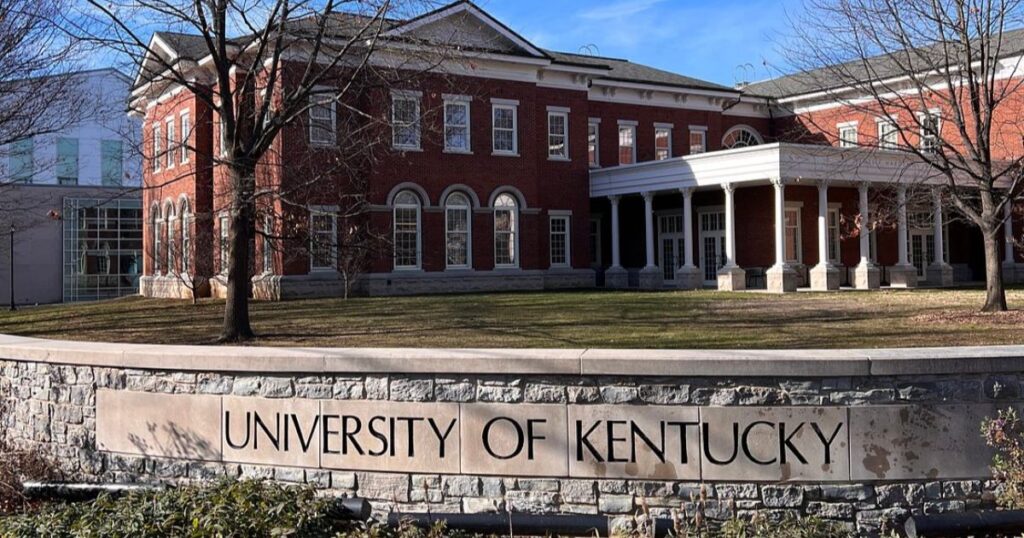
Seasonal Factors Unique to Central Kentucky
Lexington’s position in the Bluegrass Region creates specific seasonal challenges for tree health. Spring temperature swings can cause frost cracking — where rapid changes split bark and expose interior wood to fungal entry. Summer drought years accelerate pest activity from borers like the emerald ash borer (Agrilus planipennis), which has significantly altered ash tree populations across the eastern United States.
Ice loading — the weight added to branches by accumulated ice — is a primary cause of structural failure in Lexington winters. Campus arborists and city foresters use risk-based prioritization to identify trees requiring preemptive pruning before ice season. Homeowners with mature trees overhanging structures or utility lines should apply the same thinking. Clay-heavy soils common in Fayette County also create conditions where root diseases like Phytophthora root rot can develop in areas with poor drainage.
What the Campus Canopy Model Means for the City at Large
Urban forestry research consistently shows that canopy cover is unevenly distributed across most American cities, with lower-income and higher-density neighborhoods often carrying significantly less tree coverage. Lexington is not exempt from this pattern.
The University of Kentucky’s maintained arboretum demonstrates that tree care is not simply reactive — it is a planned, cyclical process involving regular inspection, pruning schedules, species selection, and timely hazard removal. For Lexington residents, understanding these principles helps translate environmental values into concrete property decisions. Whether the concern is a storm-damaged limb near a roofline or the slow decline of a mature oak, the same science that governs the UK campus canopy applies at the residential scale.