
The best time to trim most trees in Kentucky is late winter, while they are dormant. University of Kentucky forestry specialists advise pruning before the bark loosens, about a month before leaf out. Around Lexington that window runs from late November, once the leaves are down, to about mid March.
There are exceptions. Trees that flower in spring, oaks, and anything with dead or broken limbs follow different rules. This guide walks through the dormant window, the trees that break the rule, and the cuts that do more harm than good.
Jump to a section
- Why late winter works best
- The pruning window for Central Kentucky
- Tree by tree: when to prune common Kentucky trees
- When not to prune
- When to trim right away, whatever the month
- How often trees need trimming
- FAQs
Why late winter works best
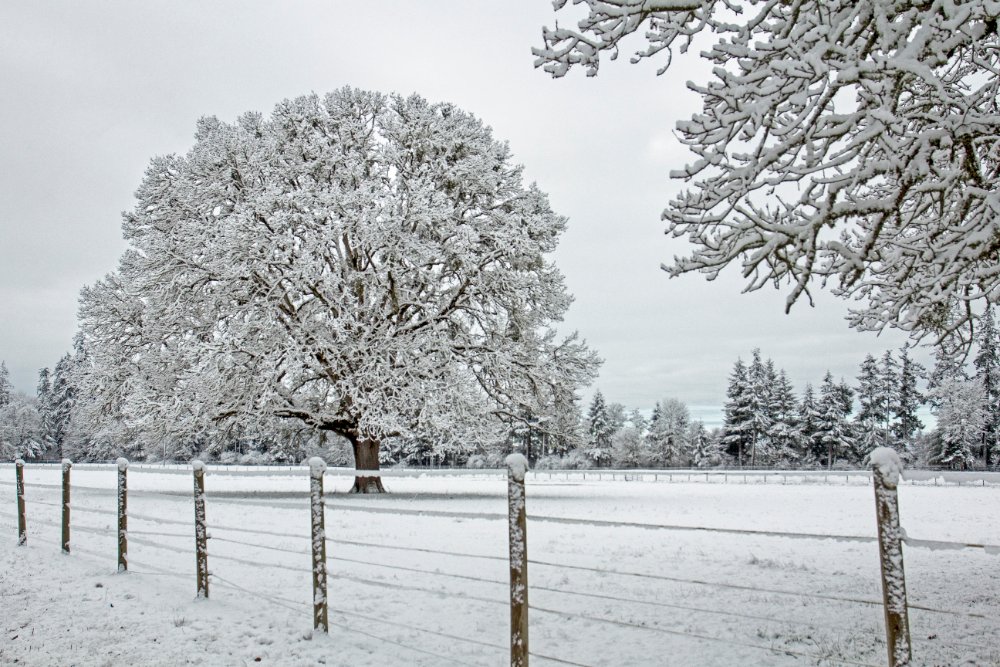
The University of Kentucky Forestry Extension publication Pruning Trees (FORFS 17-07) puts it plainly: the best time to prune is while trees are dormant in winter, before the bark loosens about a month before leaf out.
The UK Master Gardener manual chapter Care of Woody Plants (HO-101) adds a practical reason. With the leaves gone, the branch structure is easy to see, so it is easier to shape the tree and spot crossing, rubbing or weak limbs.
The pruning window for Central Kentucky
The UK guidance gives the rule. Local weather data turns it into dates.
NOAA’s 1991 to 2020 climate normals for Lexington’s Blue Grass Airport put the median first fall freeze (32 degrees) on October 28, and the first hard freeze (28 degrees) on November 6. The median last spring freeze is April 13, and the last hard freeze is March 31.
A UK Extension horticulture note from Daviess County lists fall leaf drop as an undesirable time to prune. So the practical window opens once the leaves are down, usually by late November around Lexington.
At the other end, the cutoff is a month before leaf out. If a tree leafs out in early to mid April, the bark starts loosening in early to mid March. That makes December through February the core of the window, with early March as the last call for most shade trees.
| Month | What to prune around Lexington |
|---|---|
| November | Dead, broken and hanging limbs. Start dormant pruning once leaves are down. |
| December to February | Best months for structural pruning of most shade trees, including oaks |
| Early March | Finish dormant pruning before bark loosens |
| April to June | Spring flowering trees right after they bloom. Avoid wounding oaks. |
| July to August | Light corrective work only |
| September to October | Avoid heavy pruning during leaf drop. Dead or hazardous limbs can still come out. |
Tree by tree: when to prune common Kentucky trees
| Tree | Best time | Why |
|---|---|---|
| Maples, birches, black walnut | Late winter, or after leaves are fully out | They bleed sap in late winter. UK says the bleeding is unsightly but not harmful. |
| Oaks | December to February | Ohio State Extension advises never wounding oaks from April 15 to July 1, when sap beetles can spread oak wilt |
| Redbud, dogwood, flowering cherry | Right after flowering | They set next year’s flower buds in summer |
| Callery (Bradford) pear | Dormant season, or consider removal | UK calls it invasive and notes weak wood and frequent limb breakage in storms |
| Ash | Dormant season, after checking for emerald ash borer | Infested ash wood should not be moved to new areas |
Maples and other bleeders. Sugar maples, birches and black walnuts drip sap when cut in late winter. UK’s Care of Woody Plants says the bleeding is unsightly but not harmful, so it is not a reason to skip winter pruning. If the drip is a problem over a patio or car, waiting until the leaves are fully out avoids it.
Oaks. Oak wilt is a fungal disease spread partly by sap-feeding beetles that are drawn to fresh wounds. Ohio State University Extension’s oak wilt fact sheet (PLPATH-TREE-02) advises never wounding oaks between April 15 and July 1. Purdue Extension lists December 1 through the end of February as the low-risk window. Pruning oaks in the dead of winter keeps the risk low.
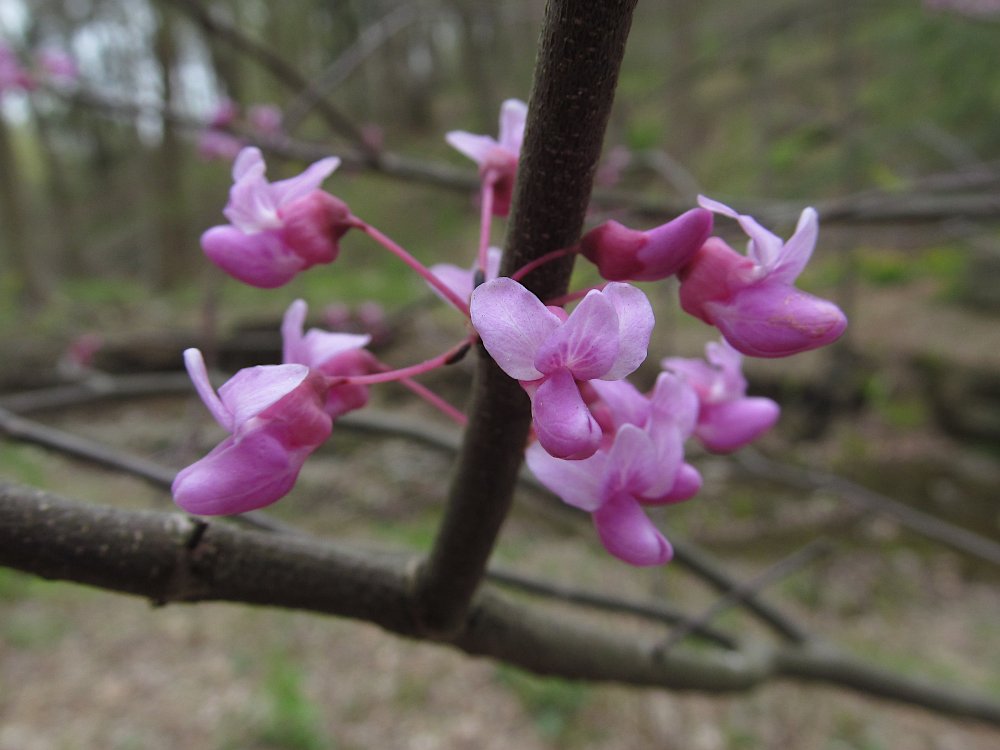
Spring flowering trees. Redbuds, dogwoods and flowering cherries form next year’s flower buds during the summer. Pruning them in winter cuts those buds off. UK Extension guidance says ornamental trees that flower before the end of May should be pruned immediately after flowering.
Callery (Bradford) pear. UK Forestry notes that experts no longer recommend Callery pear cultivars as landscape trees because of their weak wood and restricted branching, and that large limbs frequently break in storms. The species is also invasive in Kentucky. For an older Bradford pear with long, heavy limbs, it is worth weighing removal against years of repeated pruning.
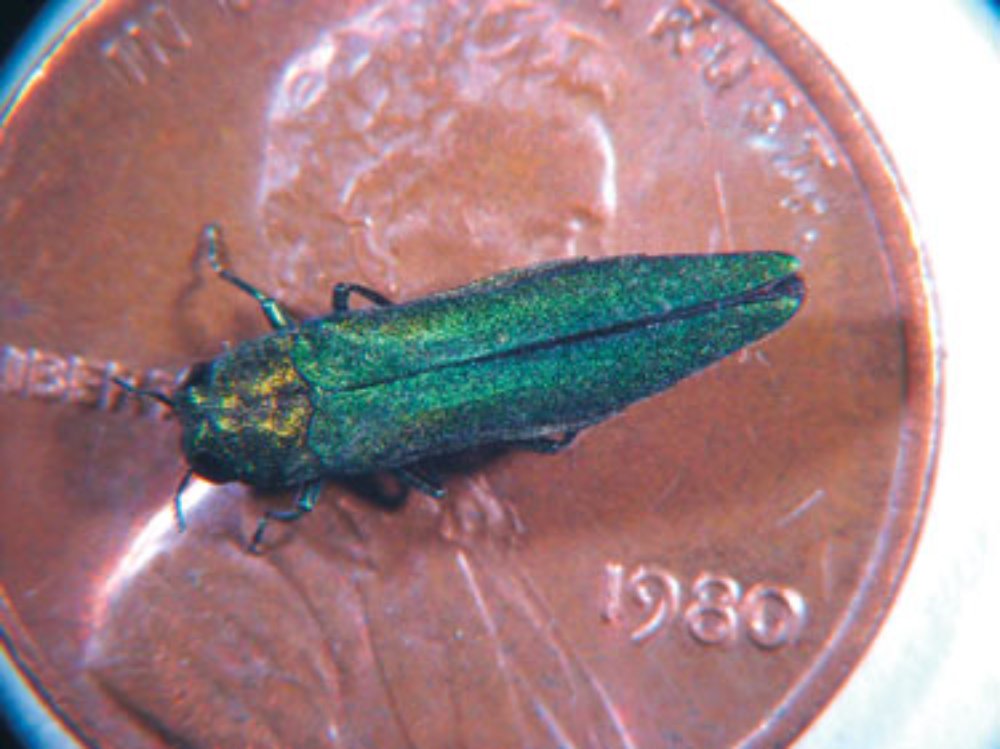
Ash. The Kentucky Division of Forestry reports emerald ash borer confirmed in 105 Kentucky counties, and lists moving firewood and other infested material as a common way it spreads. Before pruning an ash, check it for the signs of emerald ash borer. If it is infested, treatment or removal comes before shaping. The emerald ash borer page and the guide to emerald ash borer symptoms in Central Kentucky cover both.
When not to prune
During fall leaf drop. UK Extension lists this as an undesirable time to prune, which is why the dormant window starts after the leaves are down rather than before.
Oaks in spring and early summer. See the oak wilt dates above.
Too much at once. UK’s Pruning Trees sets a ceiling: do not remove more than 25% of a tree’s live branches in any year.
Topping. The same UK publication is blunt: do not top or round over a tree. Topping can cause early failure of the new branches and the death of the tree. The ISA pruning standards rule it out too.
Flush cuts. Cut at the branch collar, the slightly swollen ring where a branch meets the trunk, not flush with the trunk.
When to trim right away, whatever the month
The dormant season is for planned pruning. Some limbs cannot wait.
- Dead or broken limbs over a house, driveway or play area. UK’s Care of Woody Plants notes that minor corrective pruning can be done at any time.
- Hanging limbs after a storm. A partly broken limb caught in the canopy can drop without warning.
- Limbs near power lines. These are a job for the utility or a qualified line clearance crew, not a homeowner with a pole saw.
- Cracks or splits in the main trunk. These call for an inspection, not just a trim.
Winter brings its own risk. Ice adds weight to limbs fast. The guide to protecting trees from ice storm damage covers what to check before winter sets in.
How often trees need trimming
Young trees benefit most from regular attention. UK’s Pruning Trees says light corrective pruning, especially to keep one main leader, can happen every year or every other year. Small cuts on a young tree prevent big cuts on a mature one.
Mature trees need less. UK’s Care of Woody Plants says mature trees are generally pruned only for sanitation, safety or size restriction. In practice that means removing deadwood, clearing roofs and wires, and correcting problems as they appear.
FAQs
Is it OK to trim trees in the winter in Kentucky?
Yes. Winter is the best time for most trees. University of Kentucky forestry guidance recommends pruning while trees are dormant, before the bark loosens about a month before leaf out.
Can you trim trees in the fall?
Light work, such as removing dead or broken limbs, is fine in any season. Heavy pruning during fall leaf drop is discouraged by UK Extension. It is better to wait until the leaves are down.
When should you not trim oak trees?
Ohio State University Extension advises never wounding oaks between April 15 and July 1, when sap beetles can carry oak wilt to fresh cuts. Purdue Extension treats December through February as the low-risk window.
How much of a tree can you cut off at once?
No more than 25% of the live branches in a single year, according to UK’s Pruning Trees.
Is sap dripping from a pruned maple a problem?
No. UK Extension says the bleeding from maples, birches and walnuts pruned in late winter is unsightly but not harmful.
When should I prune a redbud or dogwood?
Right after it finishes flowering. UK Extension advises pruning ornamental trees that flower before the end of May immediately after they bloom.
Planning winter tree trimming in Central Kentucky
Central Kentucky Tree Service has trimmed and pruned trees across the Bluegrass since 2003. Winter is a good time to get on the schedule, while trees are dormant and the branch structure is easy to see. See what’s involved on the tree trimming page, or request a quote and we’ll come out, look at your trees and tell you what they need, and when. Prefer to talk it through? Call 859-333-7246.
We work throughout Lexington and nearby towns, including Nicholasville, Georgetown, Versailles, Winchester and Richmond. See every town on the service areas page.
Sources
- University of Kentucky Forestry Extension, Pruning Trees (FORFS 17-07)
- University of Kentucky, Care of Woody Plants (HO-101)
- UK Cooperative Extension, Daviess County, Pruning Ornamental Plants (2025)
- UK News, Bradford pear replacement program (2022)
- Ohio State University Extension, Oak Wilt (PLPATH-TREE-02)
- Purdue Extension, Oak Wilt (BP-28-W)
- Kentucky Division of Forestry, Forest Health Highlights 2024
- NOAA NCEI, 1991 to 2020 climate normals, Lexington Blue Grass Airport (USW00093820)